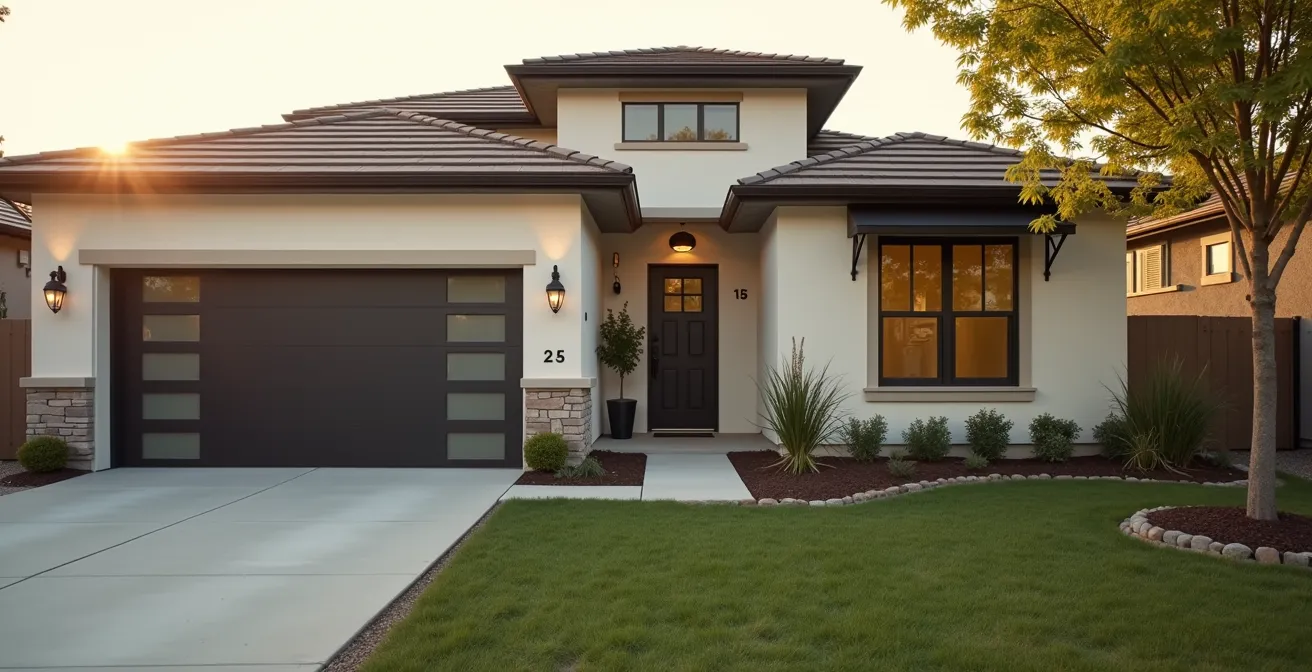
The key to significantly increasing resale value is not a massive renovation budget, but executing a series of precise, low-cost “valuation arbitrage” updates that exploit the gap between your investment and a buyer’s high perceived value.
- Targeted, minor bathroom and kitchen updates consistently deliver a higher return on investment than major overhauls.
- Buyer psychology is heavily influenced by sensory inputs; layered lighting, neutral colors, and the absence of odors are non-negotiable.
Recommendation: Before spending a dollar, conduct a “sensory audit” of your home to identify the small fixes that will eliminate buyer objections and build perceived quality.
Every homeowner planning to sell shares the same goal: maximizing their return. The market is flooded with generic advice—”renovate the kitchen,” “update the bathroom”—that often leads to expensive projects with disappointing returns. Many homeowners spend tens of thousands on renovations based on personal taste, only to find it doesn’t translate into a higher sale price. They fall into the trap of over-improving, sinking cash into assets that an appraiser won’t value and a buyer won’t pay for.
The common wisdom isn’t entirely wrong, but it’s dangerously incomplete. It lacks the critical, valuation-focused filter of an appraiser. The truth is, a 15% increase in your home’s value is entirely achievable, but not through brute-force spending. It’s achieved through strategic, surgical strikes—what I call valuation arbitrage. This is the art of making a $500 update that creates $5,000 in perceived value for a potential buyer. It’s about understanding buyer psychology and focusing on the details that signal “quality” and “well-maintained” long before they look at the price tag.
This guide moves beyond the platitudes. We will dissect where to spend, how to create illusions of space, and which common “improvements” are actually financial traps. We will analyze high-ROI projects, from the front door to the back of the closet, all through the uncompromising lens of an appraiser. It’s time to stop guessing and start investing with precision to get your property sold faster and for a higher price.
For those who prefer a visual summary, the following video offers a great overview of home upgrades that are, and are not, worth the money, complementing the detailed analysis in this guide.
This article provides a structured approach to making smart, value-adding decisions. Below is a summary of the key areas we will cover, each designed to help you think like an appraiser and maximize your home’s financial potential.
Summary: A Strategic Guide to Boosting Home Value
- Kitchen or Bath: Where to Spend Your $10,000 Renovation Budget?
- How to Layer Lighting to Make Small Rooms Look Bigger to Buyers?
- The “Bold Color” Mistake That Scares Away 60% of Potential Buyers
- Why Visuals Don’t Matter If Your House Smells Like Pets?
- Front Door Makeover: Boosting First Impressions for Under $200
- Paying Off Mortgages Early: Is It Smart When Inflation Is High?
- How to Fix Facade Cracks So They Don’t Reappear Next Winter?
- How to Calculate the Real Payback Period of an A+++ Appliance?
Kitchen or Bath: Where to Spend Your $10,000 Renovation Budget?
This is the classic homeowner dilemma. With a limited budget, the decision between these two high-traffic areas feels like a zero-sum game. However, from a valuation standpoint, the choice is clear and it’s all about ROI. Data consistently shows that minor, cosmetic updates yield a far better return than gut renovations. A major kitchen overhaul might feel transformative, but you’ll be lucky to recoup 50% of your cost.
In contrast, a strategic, midrange bathroom refresh is a financial powerhouse. According to the 2024 Cost vs. Value Report, a midrange bathroom remodel recoups an impressive 73.7% of its cost at resale. This could involve reglazing a dated tub instead of replacing it, updating the vanity, installing a new toilet, and replacing old fixtures. The goal is a fresh, clean, modern look without the expense of moving plumbing or walls.
For the kitchen, the “80/20” rule applies. Focus on the 20% of updates that deliver 80% of the impact. Forget tearing out cabinets. Instead, apply the valuation arbitrage principle with these high-impact, lower-cost strategies:
- Paint or reface cabinet doors: Professionally painting existing cabinets gives the look of a new kitchen for a fraction of the cost ($4,000) versus a full replacement ($15,000+).
- Replace hardware: New pulls and knobs are like jewelry for the kitchen and an incredibly cheap upgrade.
- Install a statement backsplash: This acts as a focal point and can make the entire space feel more custom and expensive.
- Upgrade the faucet: A modern, pull-down faucet is a functional and visual upgrade buyers notice immediately.
Your $10,000 is better spent executing a $3,000 bathroom refresh and a $7,000 high-impact kitchen update than blowing it all in one room. This balanced approach improves two key areas of the home, which signals better overall value to a buyer.
How to Layer Lighting to Make Small Rooms Look Bigger to Buyers?
Space is a luxury, but the *perception* of space is a strategy. You can’t change your square footage, but you can dramatically alter how buyers experience it. Layered lighting is one of the most effective and least expensive tools to make small rooms feel larger, more inviting, and more valuable. Most homes rely on a single, harsh overhead fixture that casts shadows and makes corners feel dark and cramped.
Strategic lighting involves three distinct layers:
- Ambient Lighting: This is the overall illumination, typically from a central fixture or recessed cans. The goal is a soft, even glow. Dimmers are a must-have here; they allow you to control the mood and are an inexpensive feature that screams “upgrade.”
- Task Lighting: This is focused light for specific activities, like under-cabinet lights in the kitchen, a reading lamp by a chair, or pendants over an island. It eliminates shadows and makes the space more functional.
- Accent Lighting: This is the “wow” factor. It’s used to highlight architectural features, artwork, or create a mood. Think of a spotlight on a piece of art or LED strips behind a headboard.
This approach creates pockets of light and shadow, adding depth and dimension. Consumer Reports found that adding smart lighting can boost a home’s value by as much as 3-5%. For showings and photos, using brighter, cooler bulbs (4000K-5000K) makes a space look cleaner and larger. Then, for an in-person tour, you can switch to warmer accent lights to create an emotional connection.
The illustration below demonstrates this transformative effect. Notice how the layered lighting carves out distinct zones, drawing the eye through the room and creating an illusion of a much larger, more dynamic space.
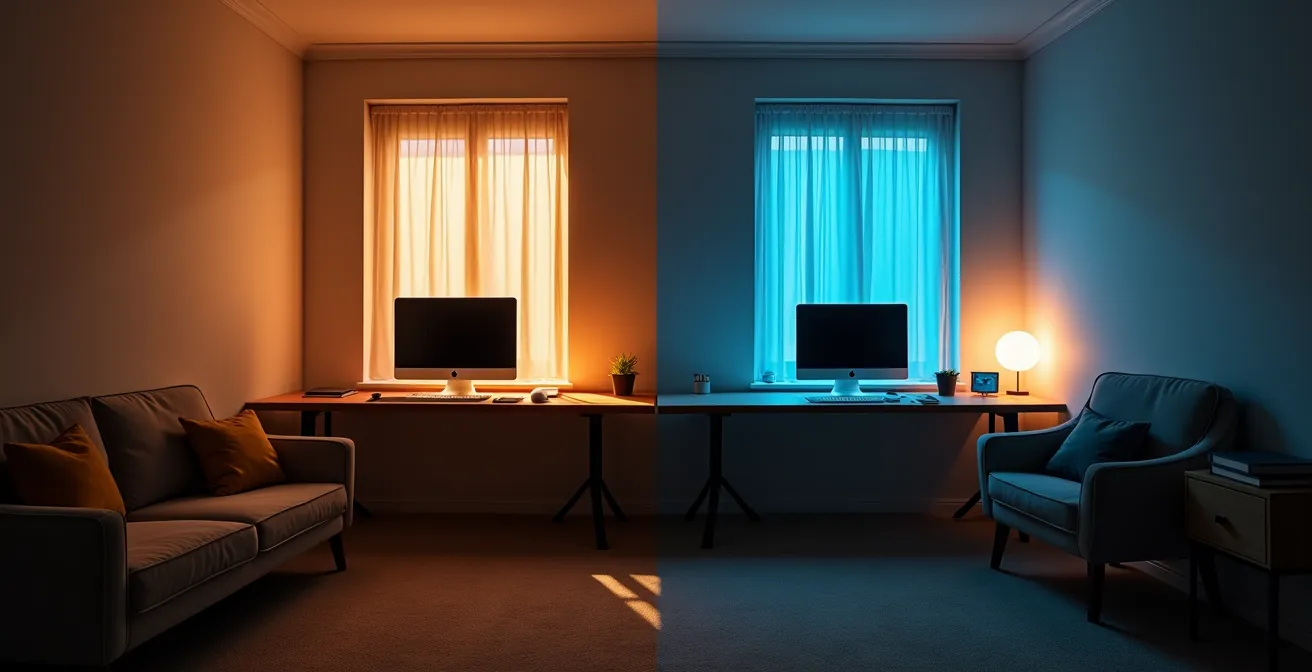
By investing in a thoughtful lighting plan, you are not just selling fixtures; you are selling the feeling of a bigger, more valuable home. It’s a subtle but powerful element of buyer psychology projection.
The “Bold Color” Mistake That Scares Away 60% of Potential Buyers
This is the most common and easily avoidable mistake sellers make. That “Tuscan sunset” orange accent wall or “deep ocean” blue bedroom you love is a personalization. And personalization is the enemy of resale value. A bold color choice is an immediate visual objection for a potential buyer. All they see is a project—the time, effort, and money required to paint over it. It forces them to mentally subtract from their offer before they’ve even seen the whole house.
The solution is not to create a boring, sterile box. It’s to provide a beautiful, neutral canvas that allows buyers to project their own lives and furniture onto the space. This is a core tenet of buyer psychology projection. Neutrals don’t have to be beige. Soft grays, warm whites, and “greige” (a mix of gray and beige) create a sophisticated, modern backdrop that makes a home feel fresh and new. The financial impact is real; HomeLight’s research shows that fresh neutral paint can add an estimated $8,000 to a home’s sale price.
However, not all neutrals are created equal, and the right choice can vary by room to maximize perceived value. A strategic paint job is about more than just covering walls; it’s about using color to influence a buyer’s perception of value.
This comparative table breaks down the ROI of specific color choices by room, demonstrating how a few cans of the right paint can directly translate to a higher sale price.
| Room | Best Color Choice | Value Impact | Colors to Avoid |
|---|---|---|---|
| Bathroom | Light Blue | +1.6% ($5,000) | Pink, Bright Red |
| Kitchen | White/Light Gray | Neutral Impact | Bright Yellow (-$1,500) |
| Bedroom | Dark Blue/Gray | Positive | Bright Purple, Green |
| Living Room | Warm Neutrals | Positive | Bright Purple, Pink |
Choosing a light blue for the bathroom can literally add thousands to your asking price, while a bright yellow kitchen can actively detract from it. The cost of the paint is negligible in either case; the difference is in the strategic knowledge of what sells.
Why Visuals Don’t Matter If Your House Smells Like Pets?
You can have the most beautifully staged living room with perfect neutral gray walls and expertly layered lighting, but if a buyer walks in and gets hit with the smell of old pets, lingering cooking odors, or mustiness, the deal is dead on arrival. Scent is the most primitive and powerful of the senses, directly linked to memory and emotion. A bad smell is not just unpleasant; it’s a red flag. It signals to a buyer’s brain “dirt,” “neglect,” and “hidden problems.”
This is where the concept of Sensory Staging becomes paramount. It’s an audit that goes beyond what a buyer sees and considers what they hear, touch, and, most importantly, smell. You may have become “nose-blind” to your own home’s scent, so it’s crucial to get an honest opinion from a friend or your real estate agent. The goal isn’t to mask odors with heavy air fresheners or cloying baked-cookie scents—buyers see right through that and wonder what you’re hiding. The goal is the complete absence of smell, which a buyer perceives as “clean.”
This often requires more than a surface clean. Odors from pets, smoke, or mildew can penetrate deep into carpets, padding, subfloors, and drywall. Attacking the source is non-negotiable. This might mean professionally cleaning all carpets, replacing the padding underneath (a major odor-trapper), using an ozone treatment to neutralize airborne particles, and sealing/painting walls with an odor-blocking primer like Kilz.
Sensory staging extends to other senses as well. A squeaky floor, a sticky doorknob, or mismatched, flickering light bulbs all contribute to a subconscious feeling of a home being poorly maintained. Before any showing, a full sensory audit is essential to eliminate these small but significant buyer deterrents.
Your Pre-Sale Sensory Audit Checklist
- Olfactory: Identify and eliminate all specific odors at their source. This may require replacing carpet padding or using a professional ozone treatment for deep odor removal.
- Auditory: Walk through every room and actively listen. Fix squeaky floorboards, oil all door hinges, and tighten any loose railings or hardware that rattles.
- Tactile: Touch the surfaces a buyer will. Replace cheap, hollow-core door knobs with solid, heavy hardware. Resurface or thoroughly clean any sticky-feeling countertops or handrails.
- Visual: Ensure absolute consistency. Check that every single light bulb in a multi-bulb fixture works and that all bulbs in a room share the same color temperature (e.g., 3000K for consistent warmth).
- Temperature: Confirm the HVAC system is functioning perfectly and quietly. Use caulk or weather stripping to seal any drafts around windows and doors that a buyer might feel.
Front Door Makeover: Boosting First Impressions for Under $200
The front door is the emotional and financial focal point of a buyer’s first impression. It’s the first thing they touch and it sets the tone for the entire showing. A peeling, faded, or dated front door subconsciously tells a buyer, “If the owners didn’t care about this, what else did they neglect?” Conversely, a fresh, solid, well-appointed entrance creates an immediate perception of quality, maintenance, and security. This is the ultimate example of valuation arbitrage.
You do not need to spend thousands on a brand-new steel door to make an impact. For under $200, you can create a powerful “arrival vignette” that dramatically elevates your home’s curb appeal. The key is to treat the entire entryway as a single, curated composition. This small investment can have an outsized impact on a buyer’s perception of your home’s overall value and care.
This is about more than a can of paint; it’s about creating a story of quality and attention to detail that begins before a buyer even steps inside. The return on this small project is not just aesthetic; it’s financial.
Case Study: The Black Door Premium
A recent survey revealed a fascinating piece of data: homes with black or charcoal gray front doors tend to sell for more than expected. As detailed in an analysis of paint color’s effect on property value, this simple color choice can increase the final sale price by as much as 2.9%. A “Front Door Makeover Kit” costing under $200—comprising a quart of high-quality semi-gloss black paint, a new modern handle set, updated house numbers, and a coordinated planter with fresh greenery—creates this high-value “arrival vignette.” It immediately signals to buyers that this is a well-maintained, premium property.
The image below captures the essence of this upgrade. The focus is on the satisfying, tangible quality of the new hardware and the deep, rich finish of the paint—details that create an emotional connection and a perception of high value.
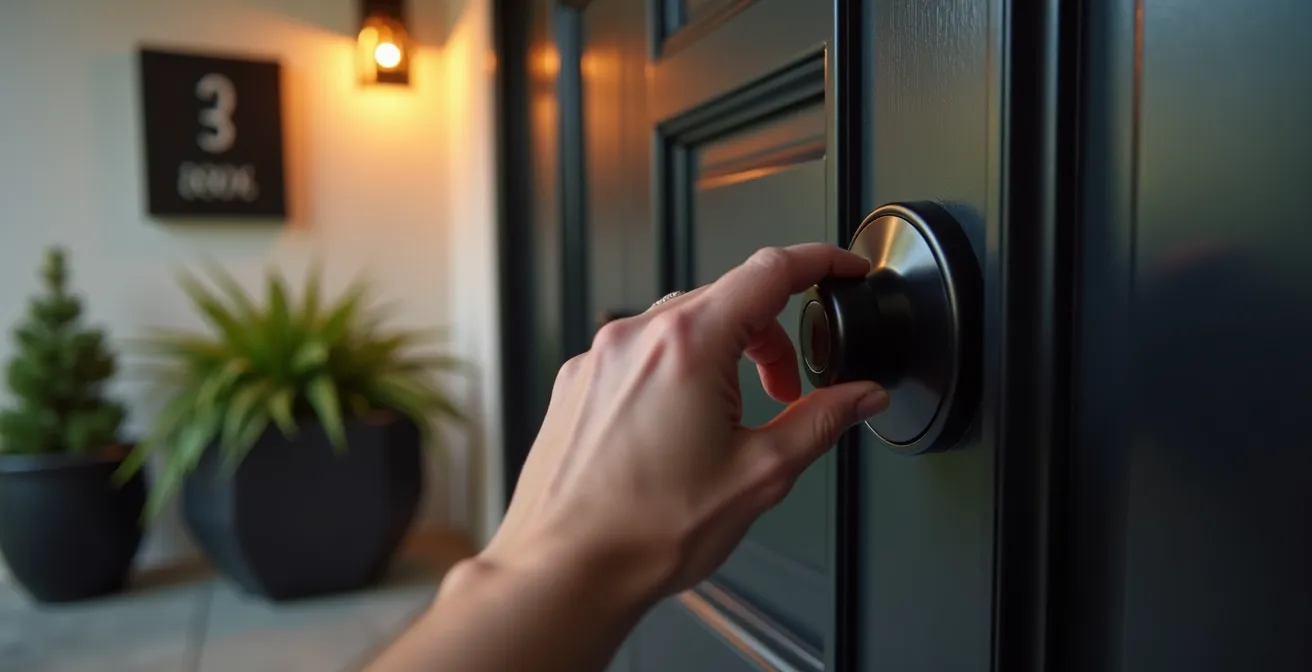
This single, low-cost project works because it taps directly into a buyer’s first impression, which is heavily weighted in their overall valuation of the home. It’s one of the highest-ROI projects you can undertake.
Paying Off Mortgages Early: Is It Smart When Inflation Is High?
The conventional wisdom of being debt-free is powerful, and many homeowners prioritize making extra payments on their mortgage. In a low-inflation environment, this can be a sound financial move. However, when inflation is high, the math changes dramatically. Your fixed-rate mortgage is one of the cheapest loans you’ll ever have. As inflation rises, the real value of that debt decreases—you’re paying it back with future dollars that are worth less. Aggressively paying it down might feel good, but it’s often a poor strategic choice when you’re planning to sell.
Instead of throwing extra cash at low-interest debt, consider using that capital—or leveraging your home’s equity—for high-ROI pre-sale updates. This is the concept of using ROI-positive debt. A Home Equity Line of Credit (HELOC) can be a powerful tool for this. As a case study on strategic updates highlights, homeowners can borrow funds at a relatively low interest rate to finance renovations that will generate a much higher return upon sale. According to analysis on the best improvements for resale, using a HELOC for targeted aesthetic upgrades is a common strategy for flippers.
Consider the numbers. Let’s say you have an extra $10,000. You could put it towards your 3.5% mortgage. Or, you could invest it in a minor kitchen remodel. We know from industry data that minor kitchen remodels yield an average ROI of 96%. You could turn that $10,000 into an additional $9,600 in sale price, pocketing the profit after repaying the investment. That’s a far better return than the small amount of interest you would have saved on the mortgage.
In a high-inflation market, cash allocated to high-return, pre-sale projects is an offensive financial weapon. Cash used to pay down a low-interest mortgage is a defensive move that leaves significant value on the table. It’s about making your money work harder for you in the short window before you sell.
How to Fix Facade Cracks So They Don’t Reappear Next Winter?
A crack on the exterior of a home is more than a cosmetic issue; it’s a giant red flag to a potential buyer and their home inspector. It screams “foundation problems,” “water intrusion,” and “expensive repairs.” Even minor, non-structural hairline cracks can kill a deal or lead to a significant price reduction request. Simply filling a crack with standard caulk is a temporary, amateur fix. It will almost certainly reappear after one cycle of freezing and thawing, and a savvy inspector will spot the poor repair instantly.
Fixing a crack correctly is about two things: using the right materials and, more importantly, documenting the repair to proactively disarm buyer objections. You must use an elastomeric sealant, not a simple acrylic caulk. Elastomeric products are designed to stretch and compress as the facade expands and contracts with temperature changes, preventing the crack from reopening. The repair must then be blended invisibly with the surrounding texture and paint.
But the physical repair is only half the battle. From a valuation and negotiation standpoint, the documentation is just as important. You are not just fixing a crack; you are building a case that your home is meticulously maintained. This proactive approach transforms a potential liability into a testament to your diligence as a homeowner, which can be a powerful tool during negotiations.
Follow this professional-grade strategy to address facade cracks once and for all:
- Document the “Before”: Take clear, well-lit photos of the crack from multiple angles and distances before you begin any work.
- Use the Right Sealant: Fill the crack using a high-quality elastomeric sealant specifically designed for exterior use and the material of your facade (stucco, brick, etc.).
- Blend the Texture: After the sealant cures, use a matching texture spray or compound to seamlessly blend the repaired area with the surrounding surface. This is a critical step most DIYers skip.
- Perfect the Paint Match: Take a chip of the existing paint to a professional paint store to get a precise color match using a spectrophotometer. A “close enough” color is an obvious patch.
- Create the “After” File: Create a simple maintenance record that includes the “before” photos, receipts for the professional-grade materials used, and “after” photos of the invisible repair. Presenting this to a nervous buyer can instantly neutralize their concerns.
Key takeaways
- Surgical Spending: Focus on minor, cosmetic updates in kitchens and baths that offer the highest ROI, not costly gut renovations.
- Sensory Staging is Paramount: A home’s perceived value is determined by more than visuals; addressing odors, sounds, and textures is critical.
- Buyer Psychology Wins: Use neutral colors and layered lighting not as decoration, but as strategic tools to help buyers envision themselves in the space and perceive it as larger and more valuable.
How to Calculate the Real Payback Period of an A+++ Appliance?
Appliances are a tricky investment when selling. Buyers expect functional appliances, but they rarely pay a significant premium for top-of-the-line models unless the entire kitchen is at that level. The “real” payback of a new appliance isn’t just about energy savings (the A+++ rating), which accrue to the new owner over years. For a seller, the payback is immediate and measured in buyer perception and negotiation leverage.
A kitchen with mismatched, dated, or visibly worn appliances creates a “project” in the buyer’s mind. It’s a clear point for them to bring up during negotiations to demand a credit or a lower price. Conversely, a set of clean, matching, modern-looking appliances—even if they are mid-range brands—signals a “move-in ready” home and removes a key point of contention. The investment in new appliances often serves more as a negotiation shield than a value-add in an appraisal.
So, how do you strategize? You don’t necessarily need to replace everything. One powerful tactic is the “Hero Appliance.” A brand-new, stylish refrigerator can create a “halo effect,” making the entire kitchen feel more updated. Since the fridge is often the largest and most visible appliance, upgrading it alone can sometimes be enough to shift perception.
This table outlines the strategic thinking behind appliance investments. It’s not about the sticker price; it’s about the story each strategy tells a potential buyer.
| Strategy | Cost | Immediate Impact | Buyer Perception |
|---|---|---|---|
| Single Hero Appliance (e.g., Refrigerator) | $2,000-$3,000 | Halo effect on entire kitchen | Modern, well-maintained |
| Full Suite Replacement (Matching) | $8,000-$12,000 | Complete transformation | Move-in ready, premium |
| Energy Star Upgrades Only | $4,000-$6,000 | Efficiency appeal | Cost-conscious, smart |
| Keep Existing (but deep clean) | $0 | Potential negotiation vulnerability | Possible red flag if old/worn |
The best strategy depends on your existing appliances and your budget. If your appliances are relatively new and just don’t match, sometimes a “Single Hero” is enough. If they are all on their last legs, a full suite might be the best way to eliminate a major buyer objection. The key is to see the investment not for its long-term energy savings, but for its immediate impact on the sale.
By shifting your mindset from a homeowner to a strategic, valuation-focused investor, you can avoid costly mistakes and unlock the hidden equity in your property. The next logical step is to walk through your own home with this new, critical eye and build a targeted, high-ROI update plan.