Travel & Culture
Travel has evolved far beyond simple sightseeing. Modern travelers increasingly seek experiences that transform rather than merely entertain, connections that enlighten rather than superficially impress. Yet navigating the intersection of travel and culture presents genuine challenges: distinguishing authentic experiences from manufactured ones, managing practical constraints like budget and safety, and ensuring our presence enriches rather than exploits the places we visit.
This comprehensive resource addresses the full spectrum of contemporary travel and cultural exploration. Whether you’re planning your first cultural immersion, optimizing limited resources for extended journeys, preparing for high-altitude adventures, seeking wellness transformation, protecting irreplaceable heritage, establishing a nomadic lifestyle, or exploring underground geological wonders, understanding the nuances makes the difference between superficial tourism and meaningful engagement.
Cultural Immersion Beyond the Tourist Trail
Authentic cultural experiences rarely announce themselves with signage or appear in standard itineraries. They emerge from intentional choices about where you stay, how you communicate, and when you visit.
Finding Authentic Cultural Exchanges
Tourist traps share recognizable characteristics: they operate on rigid schedules catering to bus groups, feature performances unchanged for decades regardless of living traditions, and create artificial “photo opportunities” that commodify culture into consumable moments. Genuine cultural experiences, by contrast, involve reciprocal exchange where both visitor and host engage meaningfully.
Local non-tourist festivals offer unparalleled immersion opportunities. These celebrations occur according to agricultural calendars, religious observances, or historical commemorations that matter to the community itself. A harvest festival in a rural village, a neighborhood religious procession, or a regional craft fair serves local participants first, with visitors welcomed as witnesses rather than audiences. The absence of English signage or tourist infrastructure often signals authenticity.
Language as a Gateway to Connection
Learning even a handful of key phrases transforms interactions from transactional to relational. Beyond basic greetings, focus on phrases that demonstrate cultural awareness: proper forms of respect for elders, gratitude expressions that acknowledge effort rather than simply service, and questions about local recommendations. A simple phrase like “What do people from here enjoy?” in the local language opens conversations impossible in English.
Language learning apps focused on conversational phrases rather than grammar serve travelers better than formal courses. Prioritize listening comprehension over perfect pronunciation, as understanding responses matters more than flawless delivery. Many locals appreciate sincere efforts to communicate in their language, even when they possess English fluency.
Choosing Accommodations for Cultural Depth
The homestay versus boutique hotel decision fundamentally shapes your cultural access. Homestays provide daily cultural mentorship through shared meals, household rhythms, and spontaneous conversations. You observe how families actually live, participate in daily routines, and receive context for cultural practices that guidebooks cannot convey.
Boutique hotels designed by local owners in traditional architectural styles offer a middle ground. These properties frequently incorporate regional craftsmanship, employ local staff who share cultural knowledge, and situate themselves in residential neighborhoods rather than tourist districts. The key differentiator: properties that reflect local aesthetic values and spatial concepts rather than importing international design standards.
Smart Budget Strategies for Extended Travel
Extended cultural exploration requires financial sustainability. Strategic approaches to travel costs, accommodation, and currency management can multiply your time abroad without compromising experience quality.
Maximizing Travel Rewards and Timing
Credit card points systems function as parallel currencies when properly understood. Cards offering transferable points to multiple airline and hotel partners provide maximum flexibility. The optimization strategy involves three elements: concentrating spending on cards offering bonus categories matching your expenses, timing applications to capture welcome bonuses before planned trips, and understanding partner transfer ratios to maximize redemption value.
Flexible date searching reveals dramatic price variations. Departing on Tuesday rather than Friday, or traveling during shoulder seasons when weather remains favorable but school schedules keep families home, can reduce costs by forty to sixty percent. Many search tools now offer monthly price calendars showing optimal departure dates visually.
Accommodation Choices That Protect Your Budget
The hostel versus budget hotel calculation extends beyond nightly rates. Consider these factors:
- Social infrastructure: Hostels facilitate traveler connections through common spaces and organized activities, valuable for solo travelers seeking community
- Included amenities: Shared kitchens in hostels enable grocery shopping rather than restaurant dependence, significantly reducing food costs
- Privacy needs: Budget hotels offer guaranteed personal space, critical for travelers requiring quality sleep or confidential work environments
- Location trade-offs: Hostels often occupy prime central locations, while budget hotels cluster in peripheral areas requiring transportation costs
Currency and Stopover Optimization
Dynamic currency conversion represents one of travel’s most insidious costs. When merchants or ATMs offer to charge your card in your home currency rather than local currency, they apply conversion rates typically eight to twelve percent worse than your card issuer would provide. Always decline this “convenience” and request charges in local currency.
Strategic stopovers transform necessary connections into free destinations. Many airlines permit extended layovers without additional charges, allowing twenty-four to seventy-two hour explorations of hub cities. A flight from North America to Southeast Asia might include a two-day stopover in Tokyo or Seoul, essentially providing a bonus destination within your existing ticket cost.
Adventure Travel and Risk Management
High-altitude treks, remote expeditions, and physically demanding cultural experiences require preparation that addresses both physiological realities and logistical decisions.
Understanding Physiological Challenges
Altitude sickness results from reduced atmospheric pressure decreasing oxygen availability to tissues. Symptoms progress predictably: mild headaches and fatigue at moderate elevations, nausea and dizziness at higher altitudes, and potentially life-threatening pulmonary or cerebral edema above certain thresholds. The body adapts through acclimatization, a process requiring time rather than fitness.
Effective acclimatization follows the “climb high, sleep low” principle. Ascend to higher elevations during the day to stimulate physiological adaptation, then return to lower altitudes for sleep when adaptation actually occurs. Rush acclimatization schedules to meet tour timelines, and you risk not only discomfort but medical evacuation. Plan itineraries allowing rest days at intermediate elevations, even when you feel capable of faster ascents.
Guided Versus Independent Expeditions
This decision balances safety, cost, flexibility, and local economic impact. Guided tours provide crucial advantages in genuinely remote or technically challenging environments: experienced leaders recognize early warning signs of altitude sickness, weather hazards, or route dangers that inexperienced travelers miss. Local guides possess granular knowledge of terrain variations, seasonal considerations, and emergency resources.
Independent trekking suits experienced adventurers on established routes with reliable infrastructure. Well-marked trails, regular accommodation options, and mobile connectivity make self-guided travel viable. However, consider that hiring local guides directly supports community economies more effectively than purchasing international tour packages where most revenue leaves the destination.
Essential Preparation and Gear Decisions
The “error of new gear” catches many adventure travelers. Untested boots cause blisters, unfamiliar sleeping bags provide inadequate warmth, and clothing with unexpected chafing points creates misery. Test all critical equipment on local training hikes matching your expedition’s expected daily distance and elevation gain.
Insurance selection requires scrutiny of fine print regarding adventure activities. Standard travel insurance often excludes coverage above specific elevations or for activities deemed “extreme.” Specialized adventure travel insurance costs more but covers helicopter evacuations, repatriation, and treatment for altitude-related conditions that regular policies exclude. Verify coverage limits exceed potential evacuation costs in your destination, as helicopter rescues can exceed tens of thousands of dollars.
Wellness Retreats for Mental and Physical Reset
Wellness travel addresses the psychological and physical toll of modern life through structured programs combining movement, contemplation, nutrition, and often spiritual practices. Effectiveness depends heavily on matching retreat format to personal needs.
Choosing the Right Retreat Format
Detox retreats focus on physiological cleansing through modified diets, fasting protocols, and bodywork therapies. These programs suit travelers seeking tangible physical reset, particularly after periods of poor dietary habits or sedentary routines. Expect structured meal schedules, limited stimulants, and emphasis on rest.
Psycho-spiritual retreats prioritize mental and emotional work through meditation, therapeutic dialogue, ceremonial practices, and contemplative activities. These intensive programs address patterns, traumas, or existential questions requiring focused attention. The psychological intensity often exceeds physical demands, requiring emotional resilience and willingness to confront uncomfortable internal material.
Yoga retreats blend physical practice with meditation, pranayama (breathing), and philosophical study. Daily schedules typically include multiple yoga sessions, vegetarian meals, and optional workshops. These programs suit both beginners seeking introduction to yoga traditions and experienced practitioners desiring immersive practice.
Preparing for Transformative Experiences
Packing for wellness retreats differs substantially from conventional travel. Essential items include:
- Comfortable loose clothing suitable for meditation and gentle movement (avoid restrictive waistbands)
- Journal and quality pens for processing experiences and insights
- Reusable water bottle, as hydration supports detoxification and mental clarity
- Minimal electronics to reduce digital distraction and support presence
- Any personal spiritual or comfort items that ground you during vulnerable moments
The psychology of silence deserves particular attention for retreats featuring noble silence periods. Extended silence removes social performance demands, revealing habitual mental patterns typically masked by conversation and distraction. Initial discomfort—restlessness, random thoughts, emotional fluctuations—gradually settles into deeper presence. Understanding this progression as normal rather than problematic helps maintain commitment when silence feels challenging.
Integrating Benefits After Your Return
Post-retreat crashes occur when profound retreat experiences collide with unchanged home environments. The clarity, peace, or insights achieved during retreat can feel impossible to maintain amid regular responsibilities and relationships. This disconnection often triggers disappointment or cynicism about retreat benefits.
Sustainable integration requires establishing modest daily practices that maintain connection to retreat insights without attempting to replicate the intensive retreat environment. A fifteen-minute morning meditation, weekly yoga class, or regular journaling practice preserves continuity. Schedule these practices as non-negotiable appointments, and communicate their importance to household members who might otherwise interrupt.
Responsible Heritage and Cultural Site Tourism
Historical and cultural sites face increasing pressure from tourism volumes. Visitor behavior directly impacts preservation, making responsible tourism essential rather than optional.
Preservation Through Conscious Behavior
The impact of touch on artifacts accumulates invisibly. Skin oils contain acids that degrade stone, metal, and painted surfaces. A single touch causes negligible damage, but thousands of visitors daily create measurable deterioration. Ancient frescoes fade, stone surfaces polish smooth, and delicate structures weaken under accumulated handling.
Photography presents preservation challenges beyond flash damage to light-sensitive pigments. Selfie culture encourages physical contact with structures, climbing on monuments, or repositioning artifacts for better shots. The viral photograph taken by one visitor inspires hundreds more attempting identical shots, concentrating stress on particular site elements. Practice photography that documents without disturbing: telephoto lenses eliminate need for close approach, and wide-angle shots capture context without isolating manipulated details.
Souvenir hunting directly damages archaeological sites. Removing pottery shards, stones, or natural features destroys contextual information archaeologists need for understanding site history. Moreover, markets for ancient artifacts incentivize looting that erases irreplaceable heritage. Ethical souvenir choices support local artisans producing contemporary crafts reflecting cultural traditions without depleting heritage resources.
Timing and Guide Selection Strategies
Crowd control at popular heritage sites increasingly employs timed entry, capacity limits, and advanced booking requirements. Visit timing dramatically affects experience quality. Early morning slots provide cooler temperatures, better light for photography, and spaces to appreciate sites contemplatively rather than navigating crowds. Off-season visits sacrifice ideal weather for meaningful solitude at sites otherwise overwhelmed.
The official guide versus local storyteller comparison involves trade-offs. Official guides receive formal training in site history, archaeological evidence, and preservation protocols. Their interpretations reflect scholarly consensus and institutional perspectives. Local storytellers offer community oral histories, alternative narratives, and cultural context that academic training might overlook. Ideally, combine both: official guides for factual foundation, local storytellers for living cultural connections to heritage.
Navigating the Digital Nomad Lifestyle
Remote work enables extended cultural immersion, but legal frameworks governing long-term stays require navigation. Digital nomad visas represent recent governmental responses to this growing demographic.
Understanding Visa Requirements and Documentation
Proving income consistency challenges freelancers and contract workers whose earnings fluctuate monthly. Immigration authorities typically require demonstrated minimum monthly income over trailing six or twelve-month periods. Bank statements, tax returns, and client contracts substantiate earnings. Maintain organized financial records specifically for visa applications, as last-minute documentation assembly often reveals gaps.
Health insurance requirements vary significantly by program. Some countries mandate specific coverage minimums, particular insurance providers, or policies issued by companies licensed in their jurisdiction. Standard travel insurance rarely meets these requirements. Research precise insurance specifications early, as obtaining compliant coverage may require weeks and cost substantially more than basic travel policies.
Criminal record checks involve multiple steps and timelines. Requesting official criminal history reports from your home country can take several weeks. Some jurisdictions require additional authentication through consular offices. International background checks for applicants who’ve lived in multiple countries become complex. Begin this process months before intended departure, as delays frequently occur.
Comparing Popular Nomad Programs
The Portugal D7 visa versus Spain digital nomad visa comparison illustrates important trade-offs. Portugal’s D7 requires demonstrating passive income or pensions meeting minimum thresholds, typically favoring retirees or investors rather than active freelancers. The application process involves more bureaucratic complexity but grants immediate residency rights leading to permanent residency pathways.
Spain’s dedicated digital nomad visa explicitly targets remote workers and freelancers with active income from non-Spanish clients. Income requirements prove more accessible for younger professionals, and the visa includes favorable tax treatment during initial years. However, residency pathways differ, and regional variations in application processing create inconsistency.
Application timing requires strategic planning. Many programs stipulate applying from outside the destination country, necessitating completion before arrival. Processing times range from weeks to months. Tax year considerations matter, as establishing residency triggers tax obligations that vary depending on arrival timing within calendar or fiscal years.
Specialized Exploration: Caves and Cenotes
Underground environments present unique hazards and wonders. Cave and cenote exploration demands respect for both safety protocols and geological conservation.
Safety Fundamentals for Underground Exploration
CO2 buildup in poorly ventilated cave systems causes subtle cognitive impairment before obvious symptoms emerge. Confusion, poor decision-making, and coordination difficulties develop gradually as carbon dioxide concentrations increase. Always explore with partners who can recognize behavioral changes, maintain awareness of breathing difficulty or headaches indicating ventilation problems, and retreat immediately if symptoms appear.
Moving through tight squeezes requires specific techniques. Exhale before entering narrow passages to minimize chest circumference, proceed with deliberate controlled movements rather than forcing through restrictions, and maintain three points of contact with cave surfaces for stability. Panic in confined spaces amplifies danger by causing rapid breathing and uncontrolled movement. Practice calm breathing and trust that spaces you entered can be exited with patient technique.
Lighting redundancy represents non-negotiable safety protocol. Primary headlamps should use fresh batteries, with backup headlamps and handheld flashlights stored separately on your person. Underground darkness differs absolutely from surface night, causing complete disorientation and immobility if lighting fails. Test all lights before descent and during cave exploration rest stops.
Equipment and Environmental Considerations
Wet suits versus dry suits for cenote exploration depends on water temperature and immersion duration. Cenote water remains consistently cool year-round. Wet suits allow water entry that body heat warms, providing insulation through neoprene material. They suit shorter dives and warmer cenotes. Dry suits prevent water contact entirely, maintaining body warmth through insulating layers worn underneath. Extended exploration in cooler cenotes justifies dry suit investment despite higher cost and training requirements.
Understanding stalactite formation enhances appreciation while informing conservation behavior. These geological features grow incrementally as mineral-rich water drips from cave ceilings, depositing calcite over millennia. A single inch of growth may represent centuries. Breaking formations through careless contact or intentional souvenir collection destroys irreplaceable natural heritage. Observe strict no-touch protocols and maintain awareness of body and equipment position to prevent accidental contact.
The intersection of travel and culture offers lifelong learning across countless dimensions. Whether you’re drawn to cultural immersion, budget optimization, adventure challenges, wellness transformation, heritage preservation, nomadic lifestyles, or geological exploration, approaching each element with intention, preparation, and respect transforms travel from consumption into genuine exchange.
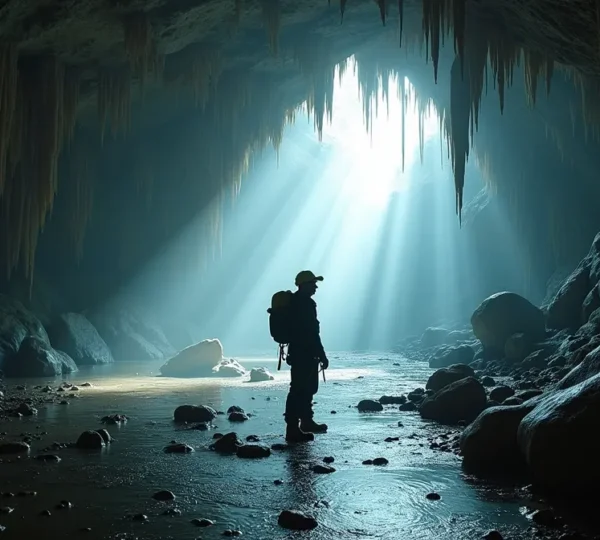
Exploring Limestone Caves: A Speleologist’s Guide to Safety and Preservation
Most guides to cave safety focus on a simple checklist: bring a helmet, a light, and tell someone your plan. But true safety and responsible exploration lie in a deeper understanding of the cave itself. This guide moves beyond the…
Read more
How to Apply for a Digital Nomad Visa With a Freelance Income?
In summary: Consular officers require proof of consistent income; create this by paying yourself a fixed monthly ‘salary’ from a business account to a personal one for at least 6-12 months. Select health insurance that explicitly provides a ‘visa letter’…
Read more
How to Visit Ancient Ruins Without Contributing to Their Destruction?
In summary: Your touch, even a light one, transfers oils and acids that cause irreversible chemical damage to ancient surfaces over time. Ethical photography in dark interiors requires using camera settings like high ISO and exposure bracketing, not destructive flash….
Read more
How to Select a Wellness Retreat That Actually Addresses Burnout?
The effectiveness of a burnout retreat depends less on the location and more on matching the therapeutic method to your specific symptoms. Distinguish between physical exhaustion (which may require a “Body-First” approach like nutritional support) and mental rumination or cynicism…
Read more
How to Train for a High-Altitude Trek While Living at Sea Level?
Contrary to popular belief, elite physical fitness does not protect you from altitude sickness; it can actively increase your risk. High-endurance athletes often have a blunted hypoxic ventilatory response and a faster ascent pace, masking early warning signs of AMS….
Read more
How to Fly Business Class for the Price of Economy?
Flying business class for the price of economy is not about finding a single deal, but about building a system that turns your everyday financial life into a travel-generating engine. Stacking credit card bonuses is the fastest way to accumulate…
Read more
How to Experience Authentic Local Culture in Popular Cities Without the Crowds?
True cultural immersion isn’t found on a checklist, but through a conscious shift in perspective from consumer to respectful participant. Your choice of accommodation and efforts to speak the language are ethical decisions that directly impact local communities. Authenticity lies…
Read more